Introducing the Ditto Fire OS Receiver
The new Ditto Fire OS Receiver brings wireless screen mirroring, digital signage and emergency alerts to Fire OS devices. It joins Windows, Apple TV...

2 min read
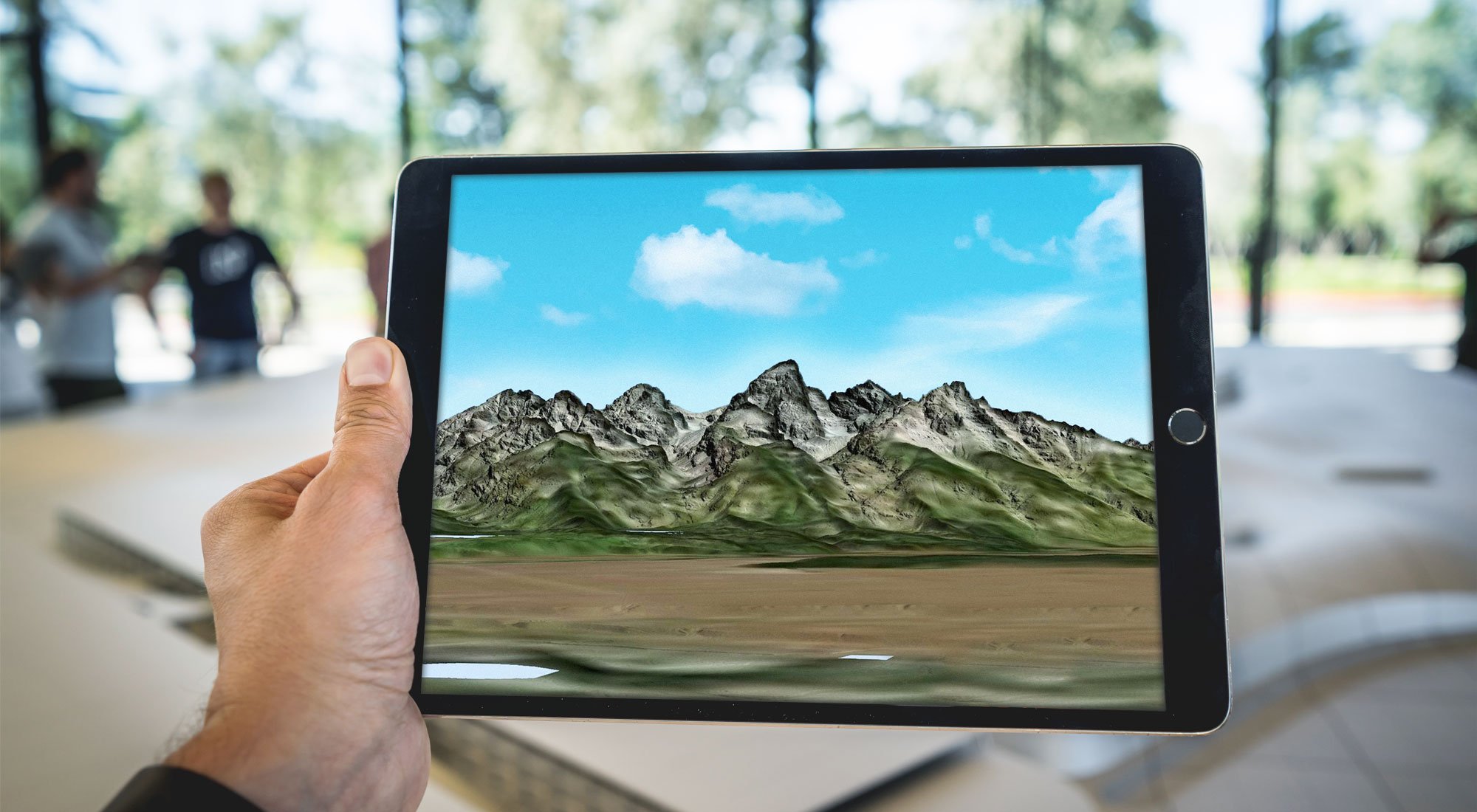
Welcome to part two of a bite-sized series about tools and techniques educators use to teach augmented reality (AR) and virtual reality (VR) in the classroom. Read part one here.
One of the best ways to introduce AR and VR to teachers and students is with Google Expeditions. Google Expeditions is an augmented reality app that lets you fly over and explore virtual landscapes on your device with pop-up descriptions, facts and other important information about your expedition. This app is simple to use, can be set up quickly and contains a massive content library on nearly any topic you can think of.
Give students the opportunity to explore new places and artifacts without leaving the classroom. Search by topic and start exploring places, landmarks and environments in seconds.
Google Expeditions uses your phone as a viewfinder to show the augmented reality around you. Before you begin an expedition, you’ll need to scan a marker sheet. A marker sheet is a physical paper printout, similar to a QR code, that tells your phone or tablet where to display augmented reality objects. You can print your own from a home printer — download and print marker sheets here.
Here’s how to begin:
Open the Google Expeditions app and select your preferred expedition.
Tap “View in AR.”
Place your printed marker sheet somewhere accessible in your classroom, such as on a desk or table surface.
Hold your phone above the printed sheet and gently move it around. This will scan the marker, similar to how you scan a QR code.
Tap your phone, and your expedition object will appear directly on the marker.
Now you’re guiding an expedition to a new place, environment or object right on your phone. You’ll need an easy way to share what’s on your screen for the whole class to see. Read part one in this series to learn how to share your Google Expeditions experience to the big screen.
Be on the lookout for part three in this series, where holograms happen in the palm of your hand.
This blog series is created by Alpha Squirrel Christine Danhoff. An Ohio-based educator and member of the Alpha Squirrel program, Christine is an ambassador for Squirrels and is an expert on developing creative ways to educate students and other educators with technology.
The new Ditto Fire OS Receiver brings wireless screen mirroring, digital signage and emergency alerts to Fire OS devices. It joins Windows, Apple TV...
Ditto now runs on Android-powered displays. The new Ditto Android Receiver gives schools and businesses another way to bring wireless screen...
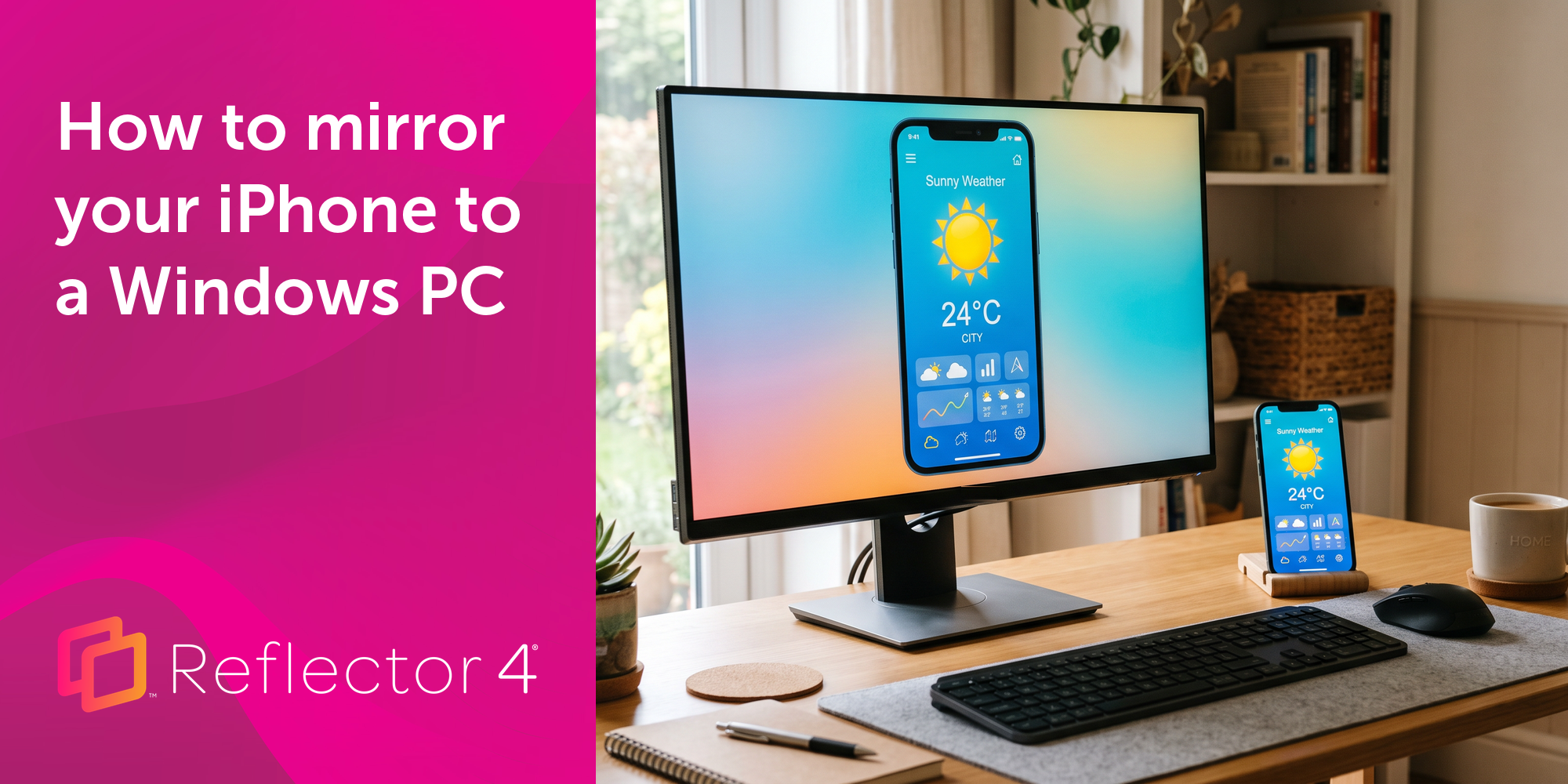
Windows still can't receive AirPlay connections on its own. Try to open Screen Mirroring on an iPhone in a room full of PCs. The list comes back...
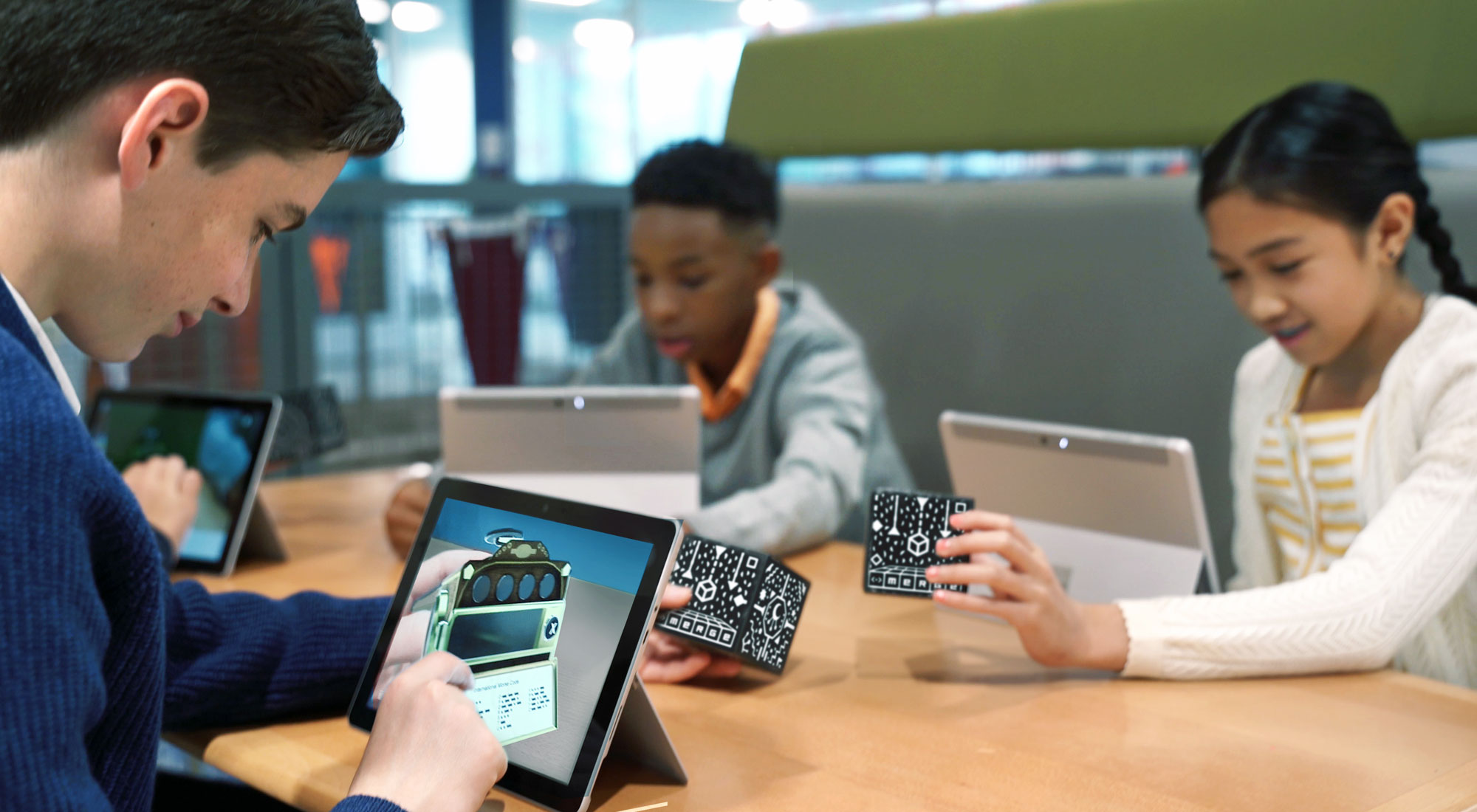
Learn how to teach with AR and VR using Merge Cube and Merge Explorer. Part of a series on the best augmented and virtual reality education apps for...
Squirrels Sponsors a Teacher Through redditgifts Gift Exchange
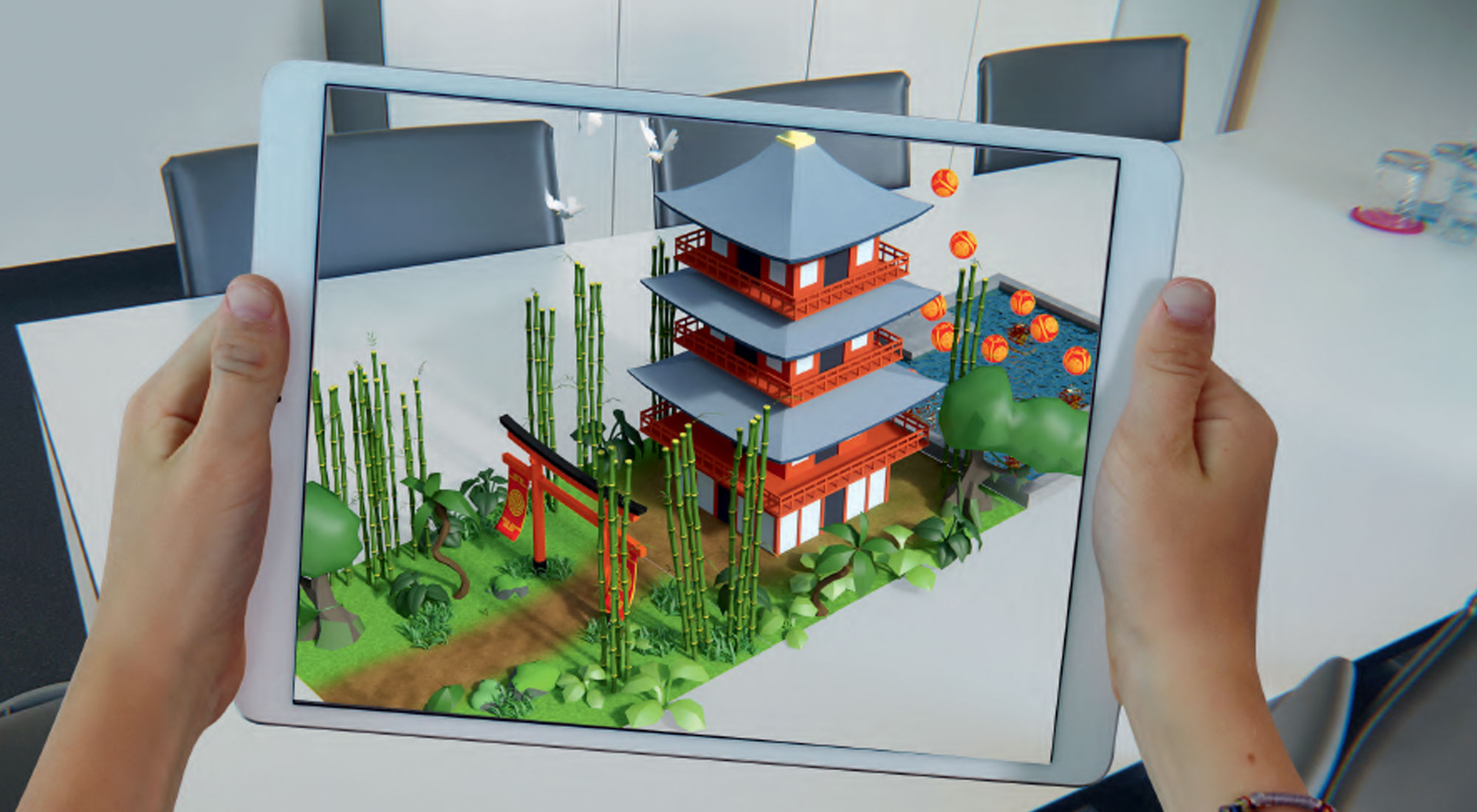
Bring AR and VR experiences to the classroom using CoSpaces Edu. Part of a series on the best augmented and virtual reality education apps for...
Mirror any device to your screen — wirelessly.
One universal license for each app — works on macOS and Windows.
— or buy Reflector 4 on its own —



For schools, districts or volume licensing — contact us.

Stream audio and video from your Mac or PC to any screen.
One universal license for each app — works on macOS and Windows.
— or buy AirParrot 3 on its own —
For schools, districts or volume licensing — contact us.